Choosing the best electrical contractor in Saudi Arabia is a critical decision for any factory, warehouse, gas station, or industrial service facility. Electrical works are not just about installing cables, lights, and panels. In industrial and service-oriented projects, electrical systems directly affect safety, productivity, energy performance, equipment reliability, and long-term operational continuity.
For factories, electrical systems must support machinery, production lines, pumps, compressors, lighting, HVAC systems, control panels, and future expansion. For warehouses, they must support high-bay lighting, loading areas, fire alarm systems, CCTV, access control, office areas, and sometimes charging stations or automation systems. For gas stations, electrical works become even more sensitive because power distribution, canopy lighting, pumps, signage, control systems, earthing, and safety systems must be coordinated carefully around fuel-related infrastructure.
Saudi ProTech supports industrial and service projects across Saudi Arabia with a practical contracting approach that combines civil works, infrastructure, structural steel, flooring, and technical coordination. This makes Saudi ProTech a strong partner for clients who need electrical works that are properly integrated with the full project scope, not treated as a separate afterthought.
Why Electrical Contractor Selection Matters
Electrical systems are among the most important systems in any industrial facility. A small mistake in design coordination, cable routing, panel placement, earthing, or load planning can create major operational problems after handover.
Poor electrical execution may lead to:
- Frequent power interruptions
- Equipment damage
- Safety risks
- Higher maintenance costs
- Delays during commissioning
- Poor lighting performance
- Overloaded circuits
- Difficult maintenance access
- Expensive rework after construction
A professional electrical contractor understands that the goal is not only to complete installation. The real goal is to deliver a safe, reliable, and maintainable system that supports the facility’s daily operations.
For industrial and service projects, this is especially important because downtime can affect production, logistics, fuel station operations, customer service, and business revenue.
Why Industrial Electrical Works Are Different from Standard Building Electrical Works
Electrical works for factories, warehouses, and gas stations are very different from basic residential or small commercial projects. They require stronger planning, more technical coordination, and a deeper understanding of operational needs.
Higher Load Requirements
Factories and warehouses often require large electrical loads. These loads may come from machinery, production equipment, HVAC systems, industrial lighting, pumps, compressors, ventilation systems, and control systems.
A factory electrical contractor must understand:
- Machinery power requirements
- Load distribution
- Panel sizing coordination
- Cable routing
- Equipment locations
- Maintenance access
- Future expansion needs
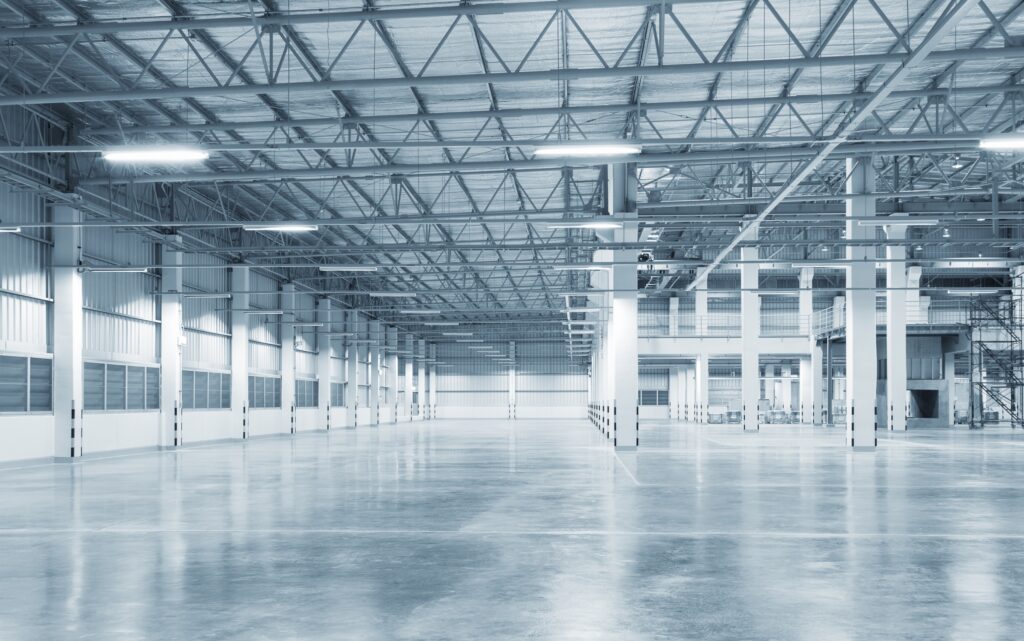
In warehouses, electrical systems must support high-bay lighting, office areas, loading docks, security systems, fire alarm systems, and operational equipment.
In gas stations, electrical loads include fuel pumps, canopy lighting, signage, service buildings, monitoring systems, control panels, and safety systems.
More Complex Utility Coordination
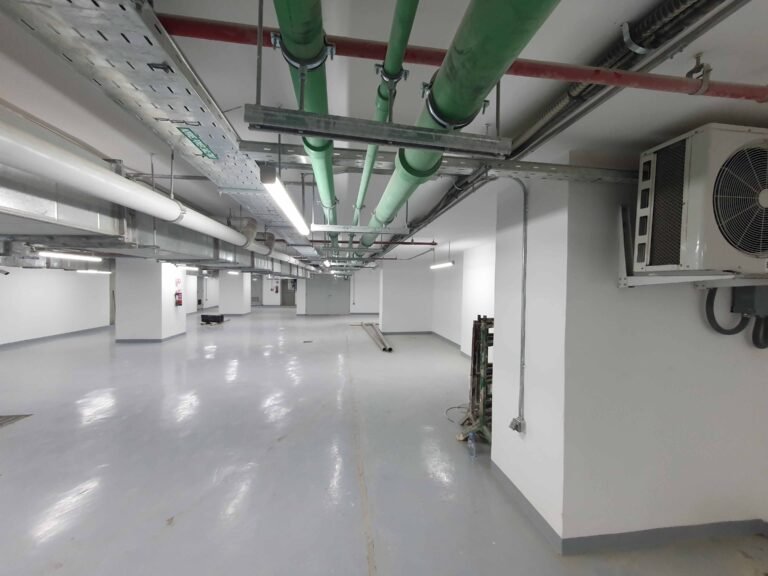
Industrial electrical systems must be coordinated with underground cable ducts, trenches, manholes, cable trays, electrical rooms, civil works, foundations, drainage, steel structures, and external works.
If electrical routes are not coordinated early, the project may face clashes with:
- Foundations
- Pipelines
- Drainage systems
- Underground tanks
- Steel columns
- Flooring works
- Road and paving works
- Firefighting systems
- Mechanical systems
This is why choosing an electrical contractor with infrastructure and industrial experience is important.
Higher Safety Requirements
Electrical safety is important in every project, but it becomes even more critical in industrial and fuel-related facilities. Factories may include heavy machinery and high-power systems. Warehouses may include large open spaces and high storage systems. Gas stations include fuel systems, underground tanks, pumps, and vehicle traffic.
A professional contractor must consider:
- Earthing and grounding
- Cable protection
- Safe panel locations
- Emergency power requirements
- Fire alarm coordination
- Proper lighting levels
- Safe electrical routing
- Testing and commissioning support
Safety-focused electrical works help protect people, equipment, and the facility itself.
Long-Term Operational Reliability
Industrial clients need electrical systems that work reliably for years. Poor installation may not show problems immediately, but it can create repeated failures later.
Reliable electrical work supports:
- Business continuity
- Lower maintenance cost
- Safer operations
- Better energy performance
- Easier troubleshooting
- Longer equipment life
- Future upgrade flexibility
This is why electrical contractor selection should be based on experience, quality, coordination, and long-term value—not only price.
Key Electrical Services Needed for Factories, Warehouses, and Gas Stations
Different project types need different electrical scopes, but many industrial and service projects share core electrical requirements.
Electrical Infrastructure Works
Electrical infrastructure is the hidden backbone of the project. These works support power routing across the site and connect different buildings, systems, and operational areas.
Electrical infrastructure may include:
- Underground cable ducts
- Cable trenches
- Cable pulling coordination
- Utility corridors
- Manholes and chambers
- External electrical routes
- Service connections
- Duct banks
- Cable protection systems
Proper infrastructure execution helps reduce future excavation and maintenance problems.
Power Distribution Systems
Power distribution must be planned carefully to ensure safe and efficient operation. This includes main electrical rooms, panels, cable routes, and power supply to different equipment and areas.
Power distribution works may include:
- Main distribution boards
- Sub-main distribution boards
- Electrical panels
- Power routing
- Equipment power supply
- Pump power supply
- Control panel coordination
- Electrical room preparation
- Load distribution planning
A good electrical contractor ensures that power is distributed safely and practically across the facility.
Lighting Systems
Lighting affects safety, productivity, customer experience, and energy consumption. Each project type needs different lighting solutions.
Factories need lighting that supports production and maintenance. Warehouses need high-bay lighting that improves visibility for storage and movement. Gas stations need canopy lighting, signage lighting, external lighting, and service building lighting.
Lighting systems may include:
- Internal lighting
- External lighting
- Industrial lighting
- Warehouse high-bay lighting
- Canopy lighting
- Emergency lighting
- Street and yard lighting
- Parking area lighting
- Service building lighting
Good lighting design and installation improve safety and reduce operational issues.
Low-Current and Communication Systems
Modern industrial and service facilities require low-current systems for security, communication, monitoring, and safety.
These systems may include:
- CCTV
- Access control
- Fire alarm coordination
- Data networks
- Telecom routes
- Public address systems
- Control systems
- Monitoring systems
- Structured cabling
A strong electrical contractor must coordinate low-current systems with civil works, cable ducts, electrical rooms, and building layouts.
Earthing and Lightning Protection
Earthing and lightning protection are essential for safety and equipment protection. This is especially important in industrial facilities and gas stations.
These systems help reduce risks related to electrical faults, equipment damage, and unsafe operating conditions.
Key requirements may include:
- Earthing systems
- Grounding networks
- Lightning protection coordination
- Bonding works
- Testing support
- Safety compliance coordination
Backup Power and Operational Continuity
Some industrial and service facilities require backup power for critical systems. This may include generators, UPS systems, emergency lighting, control systems, security systems, and essential equipment.
Backup power coordination may include:
- Generator area preparation
- UPS coordination
- Emergency power routes
- Critical load support
- Backup panel coordination
- Cable routing for emergency systems
Planning backup power properly helps reduce downtime and protects important operations.
Electrical Contractor Requirements for Factory Projects
Factories require electrical systems that can support production, machinery, utility systems, and future growth.
Machinery and Production Power
Factory electrical systems must support production equipment, machinery, conveyors, compressors, pumps, control panels, and industrial tools. The electrical contractor must understand the relationship between power distribution and production flow.
Poor planning can lead to overloaded systems, difficult maintenance, or limited future expansion.
Electrical Rooms and Panel Locations
Electrical rooms and panels must be located carefully. They should be accessible for maintenance, protected from operational hazards, and coordinated with cable routes and equipment locations.
A good factory electrical contractor plans for:
- Main electrical rooms
- Sub-panels
- Cable trays
- Machinery connections
- Control panels
- Safety access
- Expansion space
Industrial Lighting and Safety
Factory lighting must support worker productivity and safety. Poor lighting can increase mistakes, reduce visibility, and create unsafe working conditions.
Industrial lighting should be suitable for production areas, inspection zones, maintenance areas, storage spaces, and external yards.
Expansion Readiness
Factories often expand over time. A good electrical contractor considers future machinery, additional production lines, extra loads, and new service areas where possible.
Electrical Contractor Requirements for Warehouse Projects
Warehouses require electrical systems that support storage efficiency, safety, movement, and logistics operations.
High-Bay Lighting
Warehouse lighting is one of the most important electrical elements. High-bay lighting must provide proper coverage for aisles, racks, loading areas, and movement zones.
Good lighting improves:
- Forklift safety
- Stock visibility
- Worker productivity
- Security monitoring
- Loading efficiency
Power for Loading and Operational Areas
Warehouses may require power for dock equipment, gates, roller shutters, charging stations, office areas, security systems, and maintenance zones.
Electrical systems must be coordinated with warehouse operations and movement routes.
Fire Alarm and Low-Current Coordination
Large warehouse spaces require careful coordination for fire alarm systems, CCTV, access control, data networks, and monitoring systems.
These systems must be integrated with cable routes, ceiling heights, wall spaces, and control rooms.
Flexible Cable Routing
Warehouse layouts may change over time based on racking systems, storage needs, and operational upgrades. Flexible electrical routing helps support future changes with less disruption.
Electrical Contractor Requirements for Gas Station Projects
Gas station electrical works require extra care because they involve fuel systems, pumps, vehicle movement, and outdoor exposure.
Safe Electrical Routing
Electrical routes must be coordinated carefully around pump areas, underground tanks, fuel pipelines, and service buildings. Poor routing can create safety risks and future maintenance problems.
Canopy Lighting and Signage
Gas station canopies require lighting systems that support customer safety, visibility, branding, and nighttime operation. Signage power and weather-resistant installation must also be planned properly.
Pump and Control System Support
Fuel pumps and control systems require reliable power and proper coordination with fuel system specialists. Electrical works must support pump operations, monitoring, control panels, and service building systems.
Earthing and Safety Systems
Earthing and grounding are critical in fuel station environments. Electrical systems must be installed with a strong safety mindset to protect people, vehicles, and equipment.
What to Look for Before Hiring an Electrical Contractor
Choosing the right electrical contractor requires more than checking availability and price. Project owners should evaluate experience, capability, safety, and coordination.
Experience with Industrial and Service Projects
The contractor should have experience with factories, warehouses, gas stations, telecom buildings, utility facilities, and infrastructure-heavy projects. Residential or small commercial experience is not enough for complex industrial electrical works.
Understanding of Underground Infrastructure
Many electrical systems depend on underground cable ducts, trenches, manholes, and service corridors. A contractor must understand how these systems connect with civil works and external infrastructure.
Strong Safety Practices
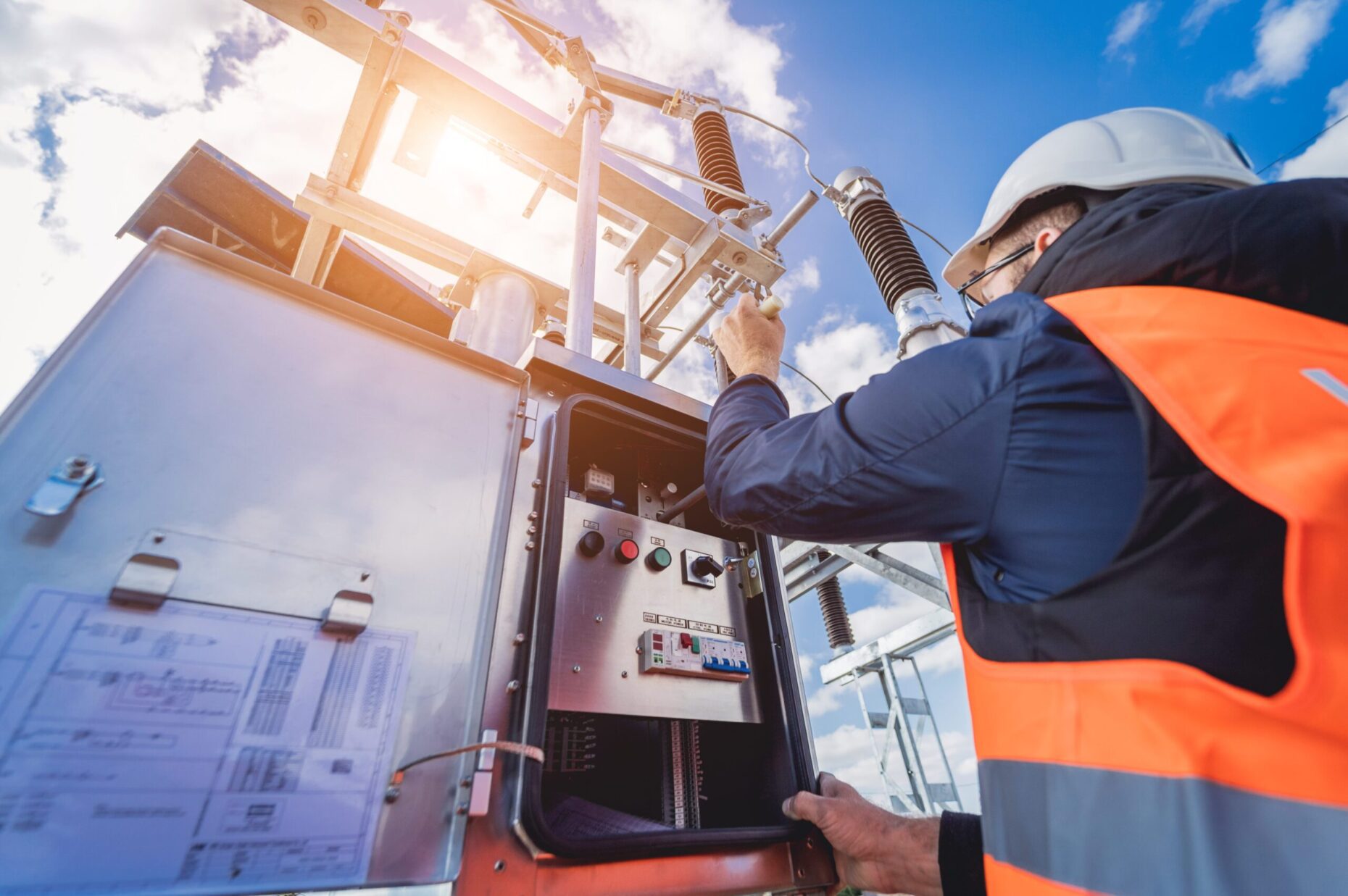
Electrical works require strict safety procedures. This includes safe installation, testing, cable protection, panel safety, earthing, and site safety during execution.
Ability to Coordinate with Other Trades
Electrical works must be coordinated with civil, structural, mechanical, plumbing, firefighting, low-current, flooring, paving, and external works. Good coordination reduces delays and prevents expensive rework.
Project Management Capability
A good contractor plans manpower, materials, approvals, installation sequence, testing, documentation, and handover. Poor project management can delay the full project.
Quality Control and Testing
Electrical works should include proper inspection, testing, commissioning coordination, and documentation. This helps the owner maintain the system after handover.
Common Mistakes to Avoid When Choosing an Electrical Contractor
Choosing Based Only on Lowest Price
The lowest price may look attractive at the beginning, but it can lead to weak materials, poor installation, missing documentation, and higher maintenance costs later.
Ignoring Industrial Experience
A contractor who is good at small buildings may not be suitable for factories, warehouses, or gas stations. Industrial projects require different knowledge and execution methods.
Not Reviewing Infrastructure Capability
Electrical infrastructure must be planned early. If cable ducts and underground routes are ignored, the project may face serious delays later.
Poor Coordination with Civil Works
Electrical routes must be coordinated before concrete works, foundations, trenching, paving, and finishing. Late coordination can cause cutting, breaking, redesign, and extra cost.
Weak Documentation and Handover
Missing drawings, test reports, panel schedules, and as-built information can create major maintenance problems after handover.
Why Saudi ProTech Is a Strong Partner for Industrial Electrical Projects
Saudi ProTech supports industrial and service-oriented projects with a practical general contracting mindset. This is valuable for electrical works because power systems must be integrated with the full project.
Industrial and Service Project Focus
Saudi ProTech focuses on projects such as factories, warehouses, gas stations, telecommunications buildings, service facilities, and infrastructure-based developments. This makes the company better aligned with clients who need industrial execution rather than residential contracting.
Integrated General Contracting Capability
Saudi ProTech understands how electrical works connect with:
- Civil works
- Infrastructure
- Structural steel
- Flooring
- Underground utilities
- External works
- Service buildings
- Site preparation
This integrated understanding helps reduce clashes and improve project coordination.
Underground Infrastructure Experience
Cable ducts, trenches, utility corridors, and service routes are critical to industrial electrical works. Saudi ProTech’s infrastructure experience helps support better planning and execution.
Practical Project Execution
Saudi ProTech focuses on organized site sequencing, quality execution, and coordination between project scopes. This helps clients reduce delays and improve project readiness.
Long-Term Operational Mindset
The company’s approach considers maintenance, reliability, future access, and operational performance. This is especially important for factories, warehouses, gas stations, and technical facilities.
Questions to Ask Before Hiring an Electrical Contractor in Saudi Arabia
Before choosing an electrical contractor, project owners should ask:
- Have you worked on factories, warehouses, or gas stations before?
- Can you manage underground cable duct and trenching coordination?
- How do you coordinate electrical routes with civil and infrastructure works?
- What safety procedures do you follow?
- Do you provide testing and commissioning support?
- Do you provide as-built drawings and handover documentation?
- Can the system support future expansion?
- How do you manage project schedule and site coordination?
- Do you understand industrial lighting and high-load requirements?
- Can you coordinate low-current, fire alarm, and control systems?
These questions help identify whether the contractor is truly suitable for industrial and service projects.
Local Electrical Contracting Needs Across Saudi Arabia
Electrical Contractor in Riyadh
Riyadh has strong demand for industrial facilities, warehouses, logistics centers, service buildings, and infrastructure projects. Electrical contractors in Riyadh must understand high-load systems, warehouse lighting, utility routing, and industrial project coordination.
Electrical Contractor in Jeddah
Jeddah’s logistics, port-related, industrial, and service sectors require electrical contractors who can support factories, warehouses, gas stations, telecom buildings, and service facilities.
Electrical Contractor in Dammam
Dammam and the Eastern Province are major industrial and energy-related markets. Electrical contractors in Dammam must be capable of supporting industrial infrastructure, factories, warehouses, and utility-based projects.
Electrical Contractor in Khobar and Eastern Province
Khobar and nearby areas require electrical contracting for service facilities, industrial buildings, technical facilities, infrastructure works, and operational support buildings.
Conclusion: Choose an Electrical Contractor Built for Industrial Performance
Choosing the best electrical contractor in Saudi Arabia is about more than finding someone to install cables and panels. For factories, warehouses, gas stations, and industrial service projects, the right contractor must understand power distribution, infrastructure, safety, utility coordination, lighting, low-current systems, earthing, documentation, and long-term operation.
Saudi ProTech supports industrial and service-oriented projects with a practical contracting approach that considers the full project—not only one system. With experience in civil works, infrastructure, structural steel, flooring, external works, and technical coordination, Saudi ProTech helps clients build safer, more reliable, and more efficient facilities across Saudi Arabia.
If you are planning a factory, warehouse, gas station, telecom building, or industrial facility, contact Saudi ProTech to discuss your electrical and general contracting requirements.