Your Go-To HVAC Contracting Company in Saudi Arabia
When it comes to staying cool and comfortable in the intense Saudi heat, having a robust HVAC system isn’t just a luxury—it’s a necessity. At Saudi ProTech MEP contracting company in saudi arabia, we’re not your typical HVAC contractor. We’re a team of passionate professionals who take pride in delivering energy-efficient, reliable, and innovative HVAC solutions tailored specifically for the Kingdom of Saudi Arabia.
Whether you’re a business owner looking to upgrade your commercial space, an industrial facility in need of a comprehensive cooling system, or a homeowner wanting the latest in energy-saving technology, our HVAC contracting services are designed with you in mind. Let’s dive into what makes our HVAC solutions a cut above the rest and how we can help you beat the heat while saving on costs.
Why Our HVAC Solutions Stand Out
Tailored for the Saudi Climate
Living and working in Saudi Arabia means dealing with extreme temperatures, dust storms, and long periods of heat. These conditions demand HVAC systems that aren’t just powerful but also durable and efficient.
- Beat the Heat: Our systems are engineered to provide consistent cooling even in the harshest weather.
- Durability: We use high-quality components built to withstand the rigors of the Saudi environment.
- Efficiency: Our energy-efficient designs help reduce operational costs while keeping your indoor spaces perfectly conditioned.
Innovative, Energy-Efficient Technology
Our commitment to innovation means we’re always on the lookout for the latest technologies in HVAC. From VRF systems to advanced chillers, we integrate the best in modern engineering to bring you solutions that are both cutting-edge and cost-effective.
- Smart Controls: Modern HVAC systems with intelligent controls allow you to manage your environment with ease—often from your smartphone!
- Green Solutions: By incorporating sustainable technologies, we not only help you save on energy bills but also reduce your carbon footprint.
- Future-Proof: Our solutions are designed to adapt to future technological advancements, ensuring that your investment stays relevant for years to come.
Our Comprehensive HVAC Services
We offer a full spectrum of HVAC services in Saudi Arabia, all designed to meet the unique challenges of the local market. Here’s a closer look at what we provide:
Air Conditioning Systems
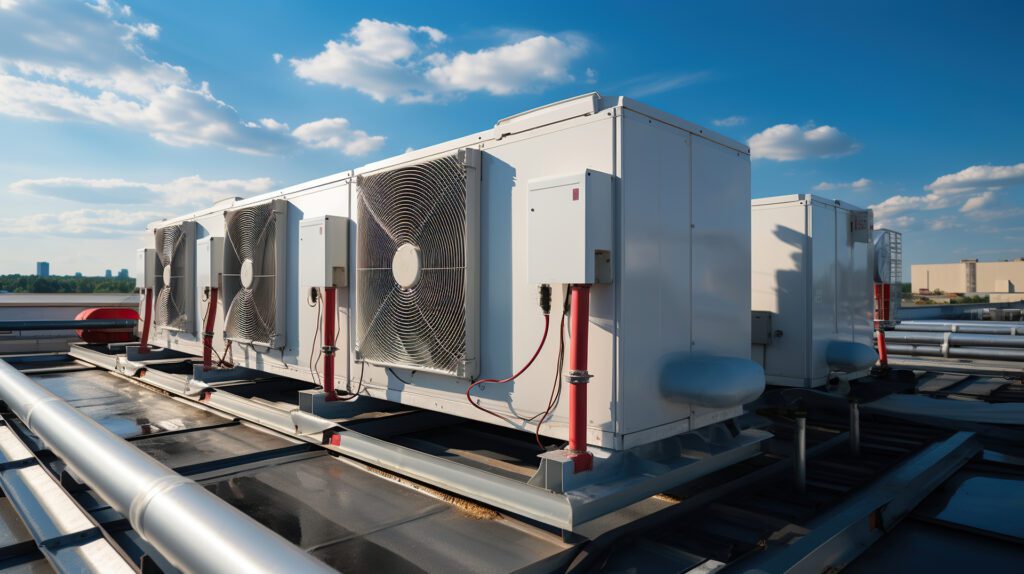
Chillers and Package Units
For large commercial and industrial spaces, chillers and package units are the backbone of any effective HVAC solution.
- What We Do:
- Supply, installation, testing, and commissioning of high-capacity chillers.
- Custom-designed package units for efficient climate control.
- Benefits:
- Reliability: Consistent performance under heavy loads.
- Cost Savings: Energy-efficient systems reduce operational costs.
- Scalability: Perfect for projects of any size—from large warehouses to sprawling office complexes.
Split Systems and VRF Solutions
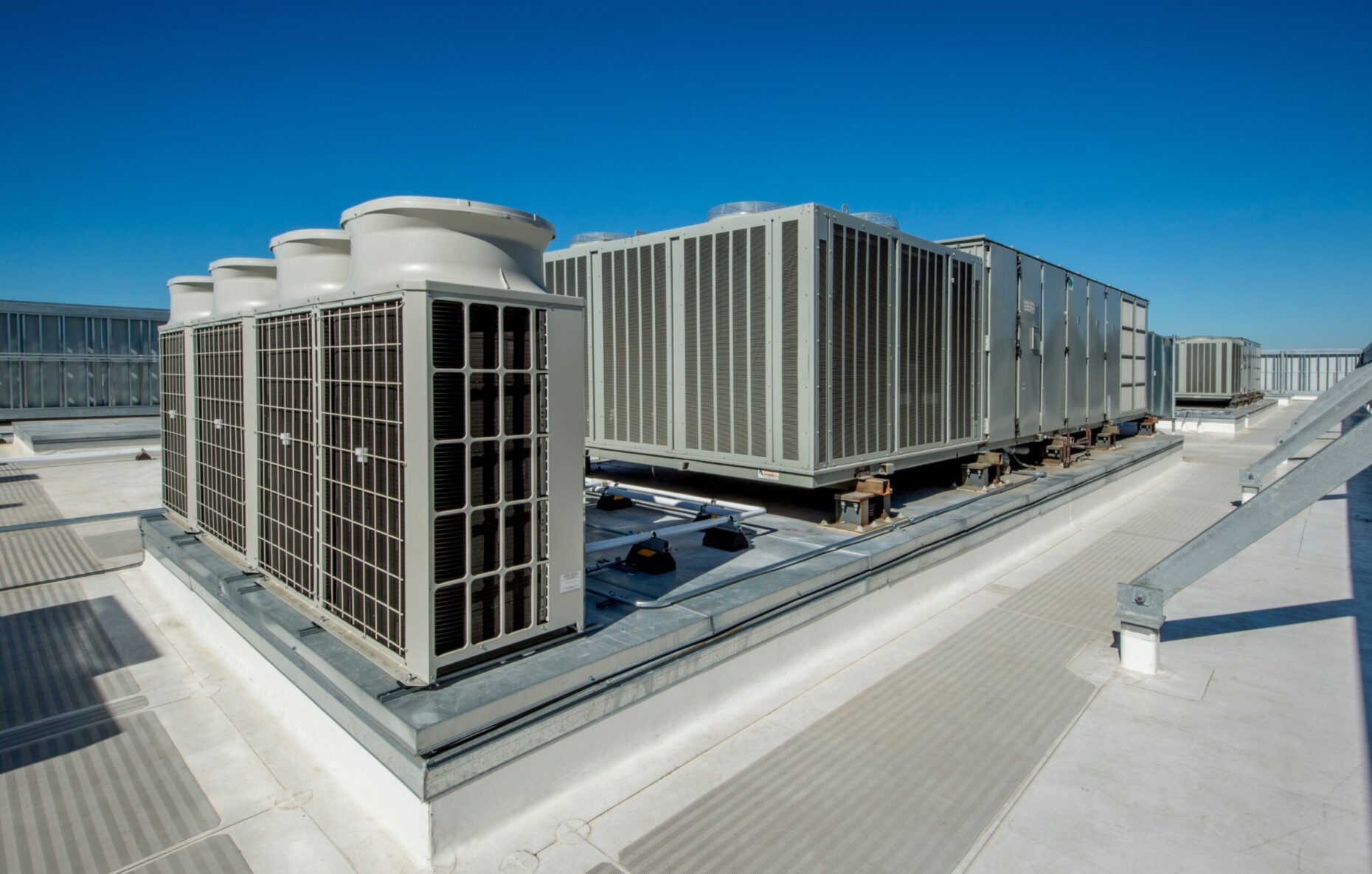
When it comes to residential and medium-sized commercial projects, split systems and VRF (Variable Refrigerant Flow) solutions offer flexibility and precision.
- What We Do:
- Installation of advanced split systems that provide zoned cooling and heating.
- VRF systems that allow for individualized temperature control across different areas.
- Benefits:
- Comfort: Tailor your environment room by room.
- Energy Efficiency: Optimize energy usage and lower utility bills.
- Quiet Operation: Enjoy a peaceful environment with minimal noise disturbance.
Ventilation and Indoor Air Quality
Fresh Air Systems and Advanced Filtration
Good indoor air quality is essential, not just for comfort but also for health and productivity.
- What We Do:
- Install fresh air systems designed to bring in clean, filtered air while expelling stale air.
- Use advanced filters to remove dust, allergens, and pollutants.
- Benefits:
- Healthier Environment: Reduced risk of respiratory issues and allergies.
- Productivity Boost: Fresh air contributes to a more focused and energized workforce.
- Enhanced Comfort: Maintain a balanced and comfortable indoor climate.
Evaporative Cooling Systems
In dry, arid climates like Saudi Arabia, evaporative cooling can be an excellent, energy-efficient alternative.
- What We Do:
- Design and install evaporative cooling systems that use water to lower ambient temperatures.
- Benefits:
- Cost-Effective: Lower energy consumption compared to traditional systems.
- Eco-Friendly: Reduced reliance on refrigerants and lower environmental impact.
- Simplicity: Easy to maintain with fewer moving parts than conventional air conditioners.
Industrial HVAC Solutions
Cooling Towers
For large-scale industrial applications, cooling towers play a crucial role in maintaining system efficiency.
- What We Do:
- Supply and install cooling tower systems that integrate seamlessly with your industrial HVAC setup.
- Benefits:
- Efficiency: Improve overall cooling performance.
- Cost Savings: Lower energy consumption through optimized heat rejection.
- Reliability: Built to withstand the demanding conditions of industrial operations.
Custom Industrial HVAC Systems
Every industrial project is unique, and we pride ourselves on offering tailor-made solutions.
- What We Do:
- Design custom HVAC systems that meet the specific needs of your industrial facility.
- Provide full-service project management—from planning and design to installation .
- Benefits:
- Optimal Performance: Systems are fine-tuned to your facility’s requirements.
- Reduced Downtime: Reliable systems that keep your operations running smoothly.
- Long-Term Savings: Custom solutions that lower energy bills and maintenance costs over time.
Installation, Testing, and Commissioning
Turnkey Project Management
We handle everything so you don’t have to worry about the details.
- What We Do:
- Manage your HVAC project from start to finish—design, installation, testing, and commissioning.
- Ensure that every step is executed with precision and care.
- Benefits:
- Convenience: One point of contact for all your HVAC needs.
- Efficiency: Streamlined processes reduce project timelines.
- Peace of Mind: Know that professionals are handling your system with the utmost care.
Custom Engineering and System Optimization
Our team is dedicated to ensuring your HVAC system is optimized for maximum performance.
- What We Do:
- Conduct detailed engineering studies to customize your HVAC solution.
- Optimize systems for energy efficiency and reliability.
- Benefits:
- Enhanced Efficiency: Tailored systems that perform at their best.
- Cost Effectiveness: Reduce energy consumption and lower long-term costs.
- Adaptability: Systems designed to evolve with your needs.
Energy Efficiency and Cost Savings
One of the biggest advantages of choosing Saudi ProTech is the focus on energy efficiency. Here’s how our HVAC solutions help you save money while providing top-tier performance.
Reduced Energy Consumption
Our state-of-the-art HVAC systems are designed to use energy more efficiently. By incorporating modern technologies like smart sensors and variable speed drives, we ensure that your system only uses as much power as needed.
- Benefit:
- Lower Utility Bills: Significant cost savings over the lifespan of the system.
- Environmental Impact: A reduced carbon footprint means you’re contributing to a greener planet.
Minimal Downtime and Maintenance
We know that time is money. Our HVAC systems are built to be reliable and require minimal maintenance, ensuring that your operations run smoothly without costly interruptions.
- Benefit:
- Consistent Performance: Reduced risk of system failures means less downtime.
- Long-Term Savings: Fewer repairs and lower maintenance costs over time.
- Enhanced Productivity: A reliable HVAC system contributes to a more productive work environment.
Our HVAC Services: Beyond Equipment
At Saudi ProTech, our HVAC services go far beyond just supplying and installing equipment. We’re committed to delivering comprehensive solutions that address every aspect of your HVAC needs.
Tailored Solutions for Every Project
Whether you’re working on a residential development, a commercial building, or an industrial facility, we provide customized HVAC solutions that cater to your specific requirements.
- Residential:
- Energy-efficient systems designed for comfort and lower utility bills.
- Commercial:
- Scalable solutions that support large offices, retail spaces, and more.
- Industrial:
- Heavy-duty systems that keep your production lines running smoothly.
Local Expertise and Regulatory Compliance
Understanding the local market and regulations is crucial in Saudi Arabia. Our team has deep local expertise, ensuring that every project complies with regional standards and local codes.
- Benefit:
- Peace of Mind: Confidence that your project meets all regulatory requirements.
- Seamless Integration: Tailored systems that align with local market needs.
- Proven Track Record: Years of experience working with diverse projects across Saudi Arabia.
Customer Success Stories
We believe that the best way to demonstrate our expertise is through the success of our clients. Here are a few stories that showcase how our HVAC solutions have made a difference:
Transforming Commercial Spaces
A large commercial complex in Riyadh was struggling with high energy bills and inconsistent temperature control. Our team stepped in with a customized VRF solution that not only stabilized indoor temperatures but also reduced energy consumption by over 20%. The result? A comfortable environment that delighted tenants and lowered operating costs.
Industrial Reliability in Harsh Conditions
An industrial facility in the Eastern Province needed a robust cooling system capable of handling the extreme heat and dust. We delivered a custom HVAC system complete with chillers and cooling towers that performed reliably under the harshest conditions. Regular maintenance and proactive monitoring minimized downtime and ensured the plant’s smooth operation, keeping production on track.
Residential Comfort Reimagined
For a high-end residential project in Jeddah, our split system installations provided individualized climate control for each unit. This not only enhanced comfort but also significantly lowered utility expenses for residents, proving that luxury and efficiency can go hand in hand.
Let’s Get Started on Your HVAC Journey
Choosing the right HVAC contracting company in Saudi Arabia is a big decision. With Saudi ProTech, you’re not just investing in equipment—you’re investing in a partnership built on trust, expertise, and a commitment to excellence. Our benefit-driven approach means we’re always focused on what matters most to you: energy savings, comfort, reliability, and long-term value.
Ready to Upgrade Your HVAC System?
If you’re ready to experience the difference of a truly integrated HVAC solution tailored for the Saudi climate, we’re here to help. Contact us today to discuss your project, schedule a consultation, or simply learn more about how our innovative HVAC services can transform your space.
Together, let’s build a cooler, more comfortable, and energy-efficient future right here in the Kingdom of Saudi Arabia.
With Saudi ProTech as your HVAC contracting partner, you gain more than just cutting-edge technology—you gain peace of mind, operational efficiency, and a system that’s as tough as the Saudi heat. Let’s get started today and keep your environment cool, comfortable, and cost-effective all year long!
Related HVAC & Chiller Services
- HVAC maintenance services in Saudi Arabia
- Chiller installation contractor in Saudi Arabia
- Chilled water system maintenance & energy optimization
- Industrial HVAC contractor in Dammam
- Hospital HVAC contractor in Khobar
- HVAC & MEP contracting for shopping malls
- Chiller contractor in Saudi Arabia
- HVAC & MEP contractor in Jeddah
- HVAC & MEP contractor in Riyadh
- HVAC & MEP contractor in Dammam
- HVAC & MEP contractor in Al Khobar